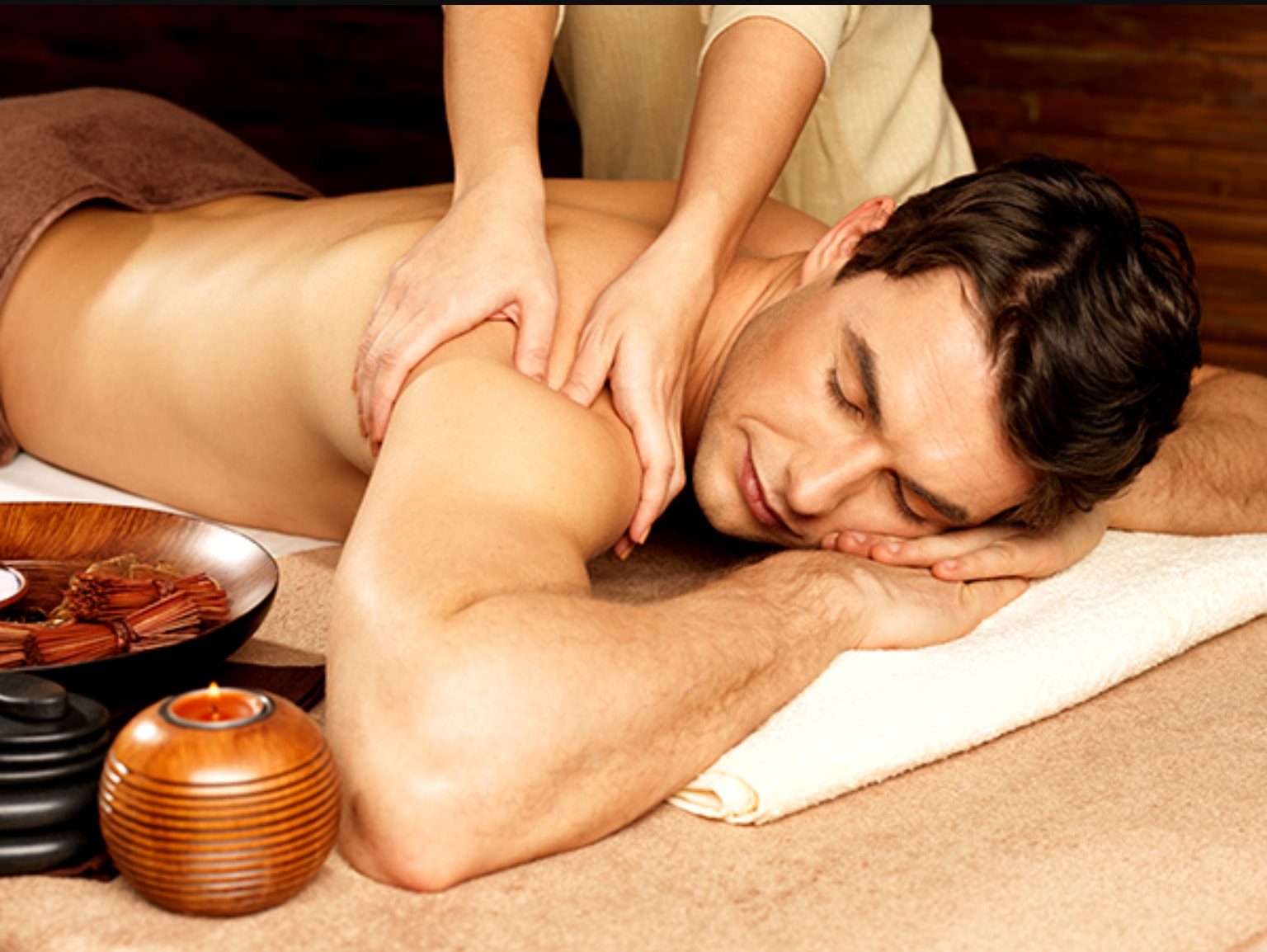
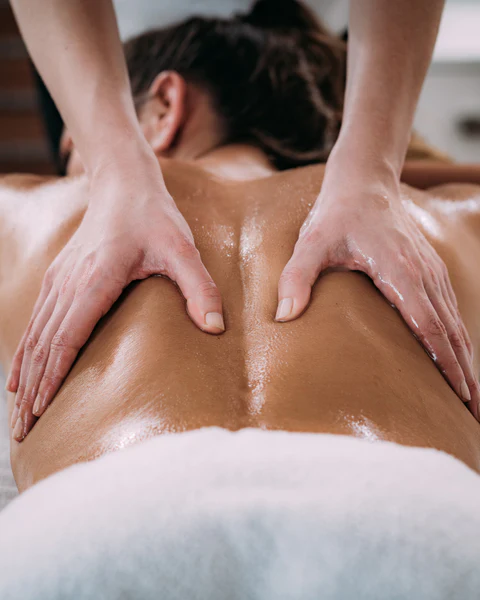
When people search for deep tissue vs Swedish massage, they are often trying to figure out which massage type matches their needs.
Body massage is a holistic and therapeutic treatment that promotes relaxation, improves blood circulation, eases muscle tension, and reduces stress.
Swedish and deep tissue are two of the most popular types of body massage, each offering unique benefits for overall wellness.
The choice depends on whether you want soothing relaxation or targeted work on specific problem areas.
Both styles deliver incredible benefits, but the experience feels very different.
You can explore more about the differences and benefits of deep tissue vs Swedish massage before booking your first session.
Introduction to Massage Types
Massage therapy is a time-honored practice that supports both physical and mental well-being. Among the many massage types available, Swedish massage and deep tissue massage are two of the most popular choices for spa-goers.
Swedish massage is often considered the classic massage, using gentle techniques to ease muscle tension, promote relaxation, and boost blood circulation throughout the body.
In contrast, deep tissue massage is designed to reach the deeper layers of muscle and connective tissue, making it especially effective for those dealing with chronic pain or persistent muscle tightness.
By understanding the unique massage techniques and benefits of Swedish massage and deep tissue massage, you can make an informed decision about which approach best suits your needs for pain relief, relaxation, or recovery.
What Is Swedish Massage?
Swedish massages are among the most popular choices for relaxation and are widely known as the classic massage.
It’s what most first-time spa visitors expect: calming strokes, gentle music, and a focus on stress relief.
Swedish massages are one of the most commonly offered massage techniques.
The techniques include long strokes, kneading movements, and circular movements that glide smoothly across the skin. These techniques ease tension in the muscles, helping to reduce soreness and promote well-being.
The gentle strokes of Swedish massage also stimulate nerve endings, which help promote relaxation and enhance the therapeutic effects.
A skilled massage therapist uses oils or lotions to create a seamless flow, making the entire body feel lighter and calmer.
The goal of Swedish massage therapy is to promote relaxation, reduce stress, and encourage blood flow.
For people with everyday stress, office tension, or poor posture, Swedish techniques provide much-needed relief.
Swedish massage is especially fit for individuals seeking short-term solutions for alleviating pain and relaxing.
Think of it as a pampering indulgence designed for full mind and body relaxation.
I still remember my first traditional Swedish massage after a stressful month of back-to-back meetings.
The combination of gliding strokes and kneading strokes melted away my muscle tension in minutes.
By the end, I felt like my mind had synced with my body—a true relaxing massage experience.
What Is Deep Tissue Massage?
Deep tissue massages are designed to address chronic issues and stubborn knots. Deep tissue massage works on the deeper layers of muscles and connective tissues.
Unlike Swedish, which focuses on relaxation, deep tissue massage targets chronic issues and stubborn knots.
Deep tissue massage uses slower and more intense strokes than other massage types. These slow, intense strokes are applied along the body muscles to release tension and improve mobility.
A licensed massage therapist applies more pressure, sometimes using elbows or forearms, to release tight muscles and address lingering pain.
This is not just a pampering indulgence.
It’s a therapeutic massage often recommended for athletes, people with sports injuries, or those suffering from chronic pain conditions.
Deep tissue massage can help in treating muscle knots and chronic pain conditions such as fibromyalgia and lower back pain.
A deep tissue massage session might feel intense, but the outcome often includes pain relief, improved mobility, and faster recovery.
I once scheduled a deeper structural massage after marathon training.
The therapist used deep pressure and slow strokes across my calves, breaking up scar tissue and muscle knots that stretching couldn’t fix.
The following day, my legs felt stronger, and the chronic tension I carried was finally gone.
Key Differences Between Swedish Massage and Deep Tissue
The difference between Swedish massage and deep tissue comes down to intent. Each approach is a unique massage technique designed to achieve different outcomes.
Swedish aims to relax the whole body, while deep tissue aims to repair and restore. Let’s look at the key differences:
- Pressure levels: Swedish uses light to medium, while deep tissue uses firm pressure and deep pressure.
- Focus: Swedish enhances relaxation and stimulates circulation. Deep tissue tackles muscle injuries, knots, and chronic pain.
- Experience: Swedish is soothing and peaceful. Deep tissue can feel uncomfortable but therapeutic.
- Outcome: Swedish delivers stress relief and mind-body relaxation. Deep tissue delivers long-term pain management and mobility.
This difference between Swedish and deep tissue explains why some clients alternate between both depending on their needs.
The Role of Pressure and Intensity
One of the most noticeable differences between Swedish and deep tissue massage is the level of pressure and intensity used during the session.
Swedish massage typically features light to moderate pressure, with the massage therapist using smooth, flowing strokes to relax the body and reduce muscle tension.
This gentle approach is ideal for those seeking a calming experience without discomfort. On the other hand, deep tissue massage involves more pressure, as the therapist works slowly and deliberately to reach the deeper layers of muscle and connective tissue.
This increased intensity is what makes deep tissue massage so effective for addressing chronic pain and stubborn tension.
If you’re deciding between Swedish and deep tissue, consider how much pressure you’re comfortable with and whether you need gentle relaxation or targeted relief for deeper issues.
Deep Tissue Massage Techniques
Deep tissue massage is all about targeting and releasing areas of persistent tension and discomfort. To achieve this, massage therapists use specialized techniques such as stripping, trigger point therapy, and myofascial release.
Stripping involves applying deep, gliding pressure along the length of muscle fibers to help release tension and break up adhesions.
Trigger point therapy focuses on specific spots within the muscle that are especially tight or painful, using firm pressure to relieve discomfort and improve mobility.
Myofascial release targets the connective tissue surrounding muscles, applying sustained pressure to increase flexibility and reduce stiffness.
These deep tissue massage techniques, combined with the use of firm pressure, make this style of massage particularly effective for those dealing with chronic pain, muscle tension, or limited range of motion.
Key Characteristics of Each Massage Type
Swedish massage and deep tissue massage each have defining features that make them suitable for different needs.
Swedish massage is known for its gentle, relaxing approach, using light pressure and soothing strokes to reduce muscle tension and encourage overall well-being.
It’s perfect for those who want to unwind, improve blood flow, and enjoy a sense of calm. Deep tissue massage, in contrast, is characterized by its focus on treating chronic pain and targeting deeper layers of muscle and connective tissue.
This massage type uses more pressure and intense techniques to address stubborn knots and long-standing tension.
By understanding these key characteristics, you can choose between Swedish massage and deep tissue massage based on whether you’re seeking relaxation or more intensive therapeutic work.
Conditions Treated by Massage
Both Swedish and deep tissue massage offer valuable benefits for a variety of conditions, but each excels in different areas.
Swedish massage is especially effective for reducing stress, easing general muscle tension, and improving blood circulation, making it a great choice for anyone looking to relax and recharge.
Deep tissue massage, with its focus on deeper muscle layers and connective tissue, is often recommended for those dealing with chronic pain, sports injuries, or conditions like sciatica and fibromyalgia.
Whether you’re seeking relief from everyday stress or need targeted treatment for ongoing discomfort, understanding the strengths of Swedish and deep tissue massage can help you select the right therapy for your unique needs.
Real-Life Examples
A friend of mine who spends long days at the computer swears by Swedish massage and deep breathing techniques.
It’s the only way he finds true muscle relaxation and mental clarity.
By contrast, my cousin, a personal trainer, always books massage and deep tissue treatments. She sometimes opts for sports massage as part of her recovery routine, especially to prevent injuries and relieve muscle pain from athletic activities.
She says it “hurts so good” because it eases her muscle injuries and speeds up recovery from sports injuries.
Both prove that the right choice depends on your lifestyle and body’s demands.
Will a Swedish Massage Get Knots Out?
A common question is whether Swedish massage focuses enough to release knots.
The answer: not usually.
While Swedish helps reduce muscle tension, it doesn’t address trigger points or stubborn adhesions in muscle tissue.
If your goal is to work out muscle knots, you’ll likely need massage and deep tissue techniques.
How Do I Know If I Should Get a Deep Tissue Massage?
If you’re dealing with chronic pain, chronic muscle tension, or sports injuries, then deep tissue massage is the right choice.
Signs you might need one include:
- Consistent stiffness in your neck, shoulders, or back
- Limited mobility due to tight muscles
- Lingering muscle pain from old injuries
- Recurrent trigger points that flare up after exercise
A good massage therapist will evaluate your condition before starting, ensuring that the deep tissue massage session matches your tolerance for intensity.
It is common to feel soreness after a deep tissue massage session, which can last for a few days.
Which Is Harder: Swedish or Deep Tissue?
In terms of effort from the massage therapist, deep tissue massage is harder.
It requires slow, precise movements that dig into the inner layers of muscles and soft tissues.
Deep tissue massage requires more force to realign the deeper muscles compared to gentler massage techniques.
Clients often report that it feels more intense than Swedish because of the muscles pushing against deeper work.
Still, both styles require training and technique to deliver results.
The Benefits of Swedish Massage
Swedish massage delivers a wide range of benefits:
- Improves blood circulation
- Offers stress relief and reduces stress hormones
- Provides a relaxing experience for beginners
- Enhances muscle relaxation and helps release tension
- Uses kneading strokes, circular movements, and basic strokes for comfort
- Supports pain management in mild cases
Additionally, Swedish massage helps flush lactic acid from the muscles by improving circulation.
The difference between Swedish massage and deep tissue lies in its gentle, calming effect rather than targeting connective tissue.
The Benefits of Deep Tissue Massage
Deep tissue massage is best known for:
- Addressing chronic pain conditions
- Breaking down scar tissue
- Helping with pain management
- Reducing inflammation and improving healing from sports injuries
- Working on deeper layers of muscle tissue
- Offering long-term tension relief and pain relief
Deep tissue massage can help reduce inflammation and increase blood flow to soft tissues. It may also help lower blood pressure as part of its stress-reducing and relaxation-promoting effects.
Many people also note that massage and deep tissue work help flush lactic acid after workouts, reducing soreness and speeding recovery.
Massage Therapy Benefits Beyond Relaxation
Whether you choose Swedish or deep tissue, both styles share benefits.
They support blood flow, improve blood circulation, and enhance stress relief.
Regular sessions with a massage therapist can also improve posture, boost mood, and support whole-body balance.
This overlap explains why many spas recommend alternating Swedish massage and deep tissue sessions depending on your body’s needs.
The Spa Experience
A visit usually starts with a quick conversation with your massage therapist.
They’ll ask about health concerns, areas of focus, and pressure preference.
For Swedish massage, expect rhythmic long strokes and kneading movements designed to relieve tension and encourage mind-body relaxation.
For deep tissue massage, prepare for targeted pressure on muscle knots, trigger points, and inner layers of muscles.
Communication is key.
Tell your licensed massage therapist if the pressure feels overwhelming or if you’d like extra focus on a certain area.
Which Is Better: Swedish Massage or Deep Tissue Massage?
There’s no one-size-fits-all answer.
If you want a relaxing massage for stress relief and balance, choose Swedish massage therapy.
If you’re facing chronic pain or muscle injuries, then deep tissue massage will help you heal.
The difference between Swedish and deep tissue comes down to whether your body craves pampering indulgence or targeted therapeutic massage.